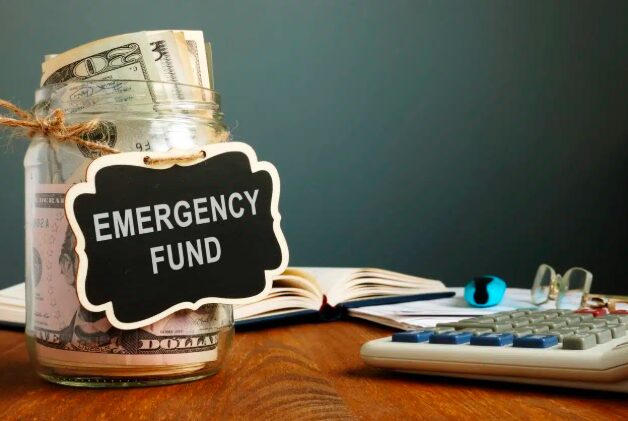
An emergency fund is one of the most important parts of financial security. Life is unpredictable, and unexpected expenses such as medical bills, car repairs, or job loss can create serious financial stress. Having an emergency fund helps you handle these situations without relying on loans or credit cards. Building this fund may take time, but consistent saving habits can make the process easier and more effective.
Understand the Purpose of an Emergency Fund
An emergency fund is money set aside specifically for unexpected situations. It is not meant for vacations, shopping, or entertainment. The main purpose of this fund is to provide financial protection during emergencies and help you avoid debt during difficult times.
Set a Realistic Savings Goal
Start by deciding how much money you want to save. Many financial experts recommend saving enough to cover three to six months of living expenses. However, if that amount feels overwhelming, begin with a smaller target such as $500 or $1,000 and gradually increase your savings over time.
Create a Monthly Budget
A budget is essential for successful saving. Track your income and expenses to understand where your money is being spent. Identify unnecessary costs and redirect that money toward your emergency fund. Even small monthly contributions can grow significantly over time.
Open a Separate Savings Account
Keeping your emergency savings in a separate account helps reduce the temptation to spend it. A dedicated savings account also makes it easier to track your progress and manage your money more effectively. Choosing a high-interest savings account can help your balance grow faster.
Automate Your Savings
Automatic transfers are one of the easiest ways to build an emergency fund consistently. Set up automatic deposits from your salary or checking account into your savings account every month. This method helps you save regularly without needing to think about it.
Reduce Unnecessary Spending
Cutting back on unnecessary expenses can help you save money faster. Limit impulse purchases, dining out, entertainment subscriptions, and other non-essential spending. Redirecting these savings into your emergency fund can accelerate your progress.
Save Windfalls and Extra Income
Unexpected income such as bonuses, tax refunds, gifts, or freelance earnings can provide a major boost to your emergency fund. Instead of spending this extra money, deposit part or all of it into your savings account to reach your goal more quickly.
Start Small and Stay Consistent
Many people delay building an emergency fund because they believe they need to save large amounts immediately. In reality, consistency matters more than size. Saving a small amount regularly is more effective than waiting until you can save a large sum.
Avoid Using the Fund for Non-Emergencies
It is important to use your emergency fund only for true emergencies. Avoid withdrawing money for shopping, vacations, or optional expenses. Protecting the fund ensures it will be available when you genuinely need financial support.
Increase Your Income
Finding ways to earn extra income can help you build your emergency fund faster. Side jobs, freelancing, online work, or selling unused items can generate additional money that can be directed into savings.
Review and Adjust Your Savings Goals
As your financial situation changes, review your emergency fund regularly. If your living expenses increase, adjust your savings target accordingly. Maintaining an updated emergency fund ensures you remain financially prepared for unexpected situations.
Benefits of Having an Emergency Fund
An emergency fund provides peace of mind and financial stability. It reduces stress during difficult situations, prevents unnecessary debt, and gives you greater financial independence. Having savings available also allows you to focus on solving problems instead of worrying about money.
Conclusion
Building an emergency fund is an essential step toward financial security. By setting clear goals, budgeting carefully, reducing unnecessary spending, and saving consistently, you can create a strong financial safety net. Even small savings can make a significant difference over time. A well-funded emergency account provides protection, confidence, and stability during unexpected situations.