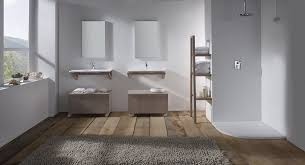
There’s a version of bathroom renovation that most homeowners imagine when they start planning: everything comes out, everything goes in new, and the finished space is unrecognizable from what it was before. That approach can deliver stunning results — but it also comes with a price tag, a timeline, and a level of disruption that stops many projects before they start.
What fewer homeowners know is that a bathroom can look comprehensively renovated without a single wall being opened. The secret is in the surfaces. Floors, walls, tile, bathtub, shower — when these elements are restored or refinished professionally, the visual impact rivals a full gut renovation at a fraction of the cost.
This guide walks through how to think about that approach strategically: what surfaces make the biggest difference, what professional refinishing actually delivers, and how to put it all together into a renovation plan that works within a real budget.
The Surfaces That Define How a Bathroom Looks
Before spending a dollar, it helps to understand which elements in a bathroom carry the most visual weight. Not every surface contributes equally to the overall impression of the space.
The bathtub. In most bathrooms, the tub is the largest single fixture and the most prominent visual element. A yellowed, chipped, or dull tub can undermine every other improvement in the room. Conversely, a bright, glossy tub makes the entire space feel cleaner and more intentional.
Tile — walls and floors. Tile covers more square footage in a typical bathroom than almost anything else. Its condition and color set the tone for the entire room. Outdated, discolored, or mismatched tile is one of the most common reasons a bathroom feels dated even when the fixtures are functional.
The shower surround. For bathrooms with a separate shower enclosure, the surround is nearly as prominent as the tub. Dull fiberglass, stained acrylic, or graying grout lines age a bathroom significantly.
Vanity and fixtures. These get a lot of attention in renovation planning, but in most bathrooms they occupy far less visual real estate than the tub and tile. Updating fixtures without addressing the tub and tile often results in a room that looks half-finished.
The implication for renovation planning: if budget is limited, prioritizing the tub and tile over new fixtures usually produces more visible results. Refinishing addresses exactly these high-impact surfaces.
What Tile Refinishing Can Do for a Bathroom
Of all the renovation options available to homeowners, tile refinishing may be the least understood and the most underused. Many homeowners assume that outdated or discolored tile has to be replaced. In most cases, it doesn’t.
Professional tile refinishing applies a bonded coating over existing tile and grout, transforming the color and restoring the surface finish without the demolition, debris, and expense of re-tiling. The result is a smooth, sealed surface in whatever color you choose — most commonly a fresh white or soft neutral that works with contemporary design.
The practical advantages are significant:
No demolition. Tile removal is labor-intensive, messy, and often damages the substrate underneath. Refinishing skips that entirely.
No re-tiling. Sourcing tile that matches or coordinates with existing elements, then having it installed and grouted, is a project in itself. Refinishing bypasses that process.
Grout lines are sealed. One of the most appealing outcomes of tile refinishing is that grout lines — which are notoriously difficult to keep clean — are sealed under the new coating. The surface becomes far easier to maintain.
Color transformation. Avocado green, harvest gold, dusty rose — every era of tile design has its casualties. Refinishing converts any color to the tone of your choice, giving the room an entirely new palette without touching the tile itself.
Tile refinishing works on ceramic and porcelain wall tile, floor tile, and shower surrounds. It can be applied to an entire tiled wall, just the tub surround, or the floor — depending on where the most impact is needed.
Bathtub Refinishing: The Centerpiece of the Renovation
If tile refinishing is the most underused tool in the non-gut renovation toolkit, bathtub refinishing is the most impactful. A refinished tub in good condition genuinely transforms the room. It’s difficult to overstate the difference a bright, smooth, freshly refinished tub makes in a bathroom that was previously anchored by a yellowed or worn one.
The process involves cleaning, repairing, and re-coating the existing tub surface with a professional-grade urethane or acrylic finish. Done correctly, the result is visually indistinguishable from a new tub — smooth, glossy, and resistant to the staining and wear that degraded the original surface.
What surprises many homeowners is how durable a professionally refinished tub can be. With proper care, the finish lasts ten years or more. The care requirements are simple: avoid abrasive cleaners, use mild soap and a soft cloth for routine cleaning, and ensure the bathroom is well-ventilated.
Refinishing also opens up color options. If you’re updating the tile color through refinishing, your contractor can match or coordinate the tub finish to the new tile tone — something that would be impossible to achieve with fixture replacement unless you were willing to pay for a custom color.
Combining Tile and Tub Refinishing for Maximum Impact
When tile and tub refinishing are done together — ideally by the same contractor in a single visit — the result is a coherent, fully transformed bathroom surface. The tub, the surround tile, the wall tile, and potentially the floor tile all share a unified color palette and the same fresh, clean finish.
From a visual standpoint, this is what makes a bathroom look genuinely renovated rather than piecemeal. It’s the difference between a room that’s clearly had work done and a room that simply looks good.
From a logistical standpoint, combining the work is efficient. One contractor, one visit, one cure period. The bathroom is out of commission for 24 to 48 hours while the finishes cure, and then it’s fully usable.
Compare that to a tile replacement project: demo day, substrate prep, tile installation, grouting, sealing, and cleanup typically span multiple visits across several days or more. And that’s before accounting for the time spent selecting tile, waiting for materials, and coordinating contractors.
What Stays, What Goes: Making Smart Decisions
A strategic non-gut renovation requires honest decisions about which elements are worth keeping and which genuinely need replacement. Here’s a useful framework:
Keep and refinish: anything that is structurally sound but cosmetically worn. Tubs, tile, shower surrounds, and shower pans that hold water, don’t flex, and aren’t cracked through to the substrate are excellent refinishing candidates.
Replace selectively: fixtures, hardware, and accessories that are visually prominent and inexpensive to swap. A new faucet, towel bars, toilet seat, mirror, and light fixture can add up to a noticeable refresh without a major investment.
Assess carefully: vanities and toilets. These are larger investments that may or may not be necessary depending on their condition. A vanity with good bones can often be refreshed with new hardware and a coat of paint rather than replaced entirely.
The consistent principle is to spend on surfaces first, since that’s where the visual return is highest — and to use replacement only where structural issues or genuine functional failures make it necessary.
Working With a Local Contractor
The quality of refinishing work varies significantly between contractors, and the difference between a professionally done job and a poor one is visible within months. A badly applied finish will peel, bubble, or yellow prematurely. A well-applied one will still look good years later.
When evaluating contractors, the most important questions are about materials and experience. Ask what coatings they use and whether those products are specifically designed for bathroom environments. Ask how long they’ve been doing this work and whether they have experience with your specific surface type. Ask what the warranty covers and for how long.
For homeowners in Brevard County, working with a contractor who knows the local environment matters. A bathtub refinishing contractor in Melbourne Village, FL who regularly works in the area will be familiar with the effects of Florida’s humidity, hard water, and salt air on bathroom surfaces — and will select products and methods suited to those conditions.
Local contractors also tend to be more accountable. When a business serves a defined community, its reputation is directly tied to the quality of its work. That accountability is worth something when you’re trusting someone to restore one of the most used surfaces in your home.
Planning the Project: A Practical Timeline
For homeowners ready to move forward, here’s how a surface-focused bathroom renovation typically comes together:
Step 1: Assessment. Have a professional contractor evaluate the tub, tile, and shower surround. They’ll identify what can be refinished, what needs repair before refinishing, and whether anything genuinely needs replacement.
Step 2: Sequence other work first. If you’re replacing fixtures, updating lighting, or painting walls, do that before refinishing. Refinishing should be the last trade in the bathroom to protect the new finish from dust and damage.
Step 3: Schedule refinishing. Most refinishing jobs are completed in a single day. Plan for the bathroom to be out of use for 24 to 48 hours afterward while the finish cures.
Step 4: Final touches. Once the finish has cured, install any new hardware, mirrors, or accessories. These small details complement the refinished surfaces and complete the overall look.
The Budget Case for Surface Refinishing
It’s worth spelling out the financial argument plainly, because it’s compelling.
A full bathroom gut renovation — new tile, new tub, new shower surround, new vanity, new fixtures — typically costs between $10,000 and $25,000 depending on materials and market. Many homeowners can’t or don’t want to spend that, and so the bathroom stays as-is indefinitely.
A surface refinishing approach — tub, tile, and shower surround professionally refinished, combined with selective fixture upgrades — can deliver a visually transformed bathroom for a fraction of that investment. The bathroom looks renovated because the surfaces look renovated, and the surfaces are what the eye actually sees.
That budget gap can be redirected toward other home priorities, held in reserve, or used to simply have more financial breathing room. The renovation still gets done. The bathroom still looks great. The cost is dramatically lower.
A Smarter Renovation Is Possible
The all-or-nothing framing of bathroom renovation — either gut it completely or leave it alone — doesn’t reflect the real options available to homeowners. Surface refinishing offers a genuine middle path: professional-quality results, a fraction of the cost, minimal disruption, and a finished space that looks like it had real money spent on it.
For most bathrooms in good structural condition, that’s not a compromise. It’s simply the smarter approach.
Start with an honest look at your surfaces. Get a professional assessment. And consider whether what your bathroom actually needs is a full renovation — or just the right treatment for the surfaces that matter most.