Home renovation projects are exciting. but beneath the surface of any concrete slab or foundation lies a hidden network of utilities, rebar, and post-tension cables that can turn a routine project into a costly disaster. Before picking up a drill or a jackhammer, understanding what’s inside your concrete is one of the most important steps a homeowner or contractor can take.
What Hides Inside Concrete
Concrete structures are rarely just concrete. Electrical conduits, plumbing lines, gas pipes, and structural reinforcements are all routinely embedded during construction. In older homes and buildings, these elements may not be accurately documented, or documented at all. Cutting through a post-tension cable during a basement renovation or a home addition can compromise the structural integrity of an entire floor system. Hitting a live electrical conduit creates immediate safety risks. The consequences of skipping detection range from expensive repairs to serious injury.
How Concrete Scanning Works
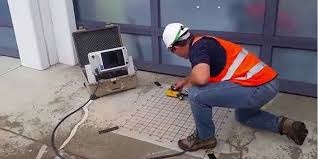
Ground Penetrating Radar (GPR) is the technology professionals use to see inside concrete before any cutting, coring, or drilling begins. A GPR device emits radar pulses into the surface and measures the signals that bounce back from embedded objects. The result is a real-time map of what lies beneath (rebar depth, conduit locations, post-tension cables, voids, and anomalies) all without breaking a single inch of surface.
Unlike older detection methods, GPR works on non-metallic materials as well as metallic ones, making it effective across a wide range of construction types. An underground utility locating company can provide professional GPR scanning services that give homeowners and contractors the precise data they need before starting any concrete work.
When You Should Always Scan First
Several common renovation scenarios make concrete scanning non-negotiable:
Adding a bathroom or laundry room in a basement requires core drilling through the slab for new plumbing. Without scanning, there is no way to know where existing lines run.
Installing anchor bolts for new walls or structural supports means drilling into the slab. Hitting a post-tension cable at that stage can be catastrophic.
Cutting expansion joints or modifying an existing concrete floor for underfloor heating also requires full knowledge of what’s embedded below.
For any of these situations, the underground utility locating and scanning process takes a few hours and costs a fraction of what a single repair would run — let alone the cost of a delayed project or a structural failure.
The Cost of Skipping It
Many homeowners assume that because a home is relatively new, the risk is lower. In reality, construction errors, undocumented modifications, and inconsistent records exist in buildings of all ages. The few hundred dollars saved by skipping a professional scan can quickly become thousands in emergency repairs, project delays, and liability issues for contractors.
Plan Smarter, Build Safer
Every successful renovation starts with good information. Knowing exactly what lies beneath your concrete slab before work begins protects your investment, your timeline, and your safety. Whether you’re a homeowner planning a basement finishing project or a contractor preparing for a major structural modification, concrete scanning is simply part of doing the job right.