Introduction
Stress is a natural response that helps the body react to challenges and difficult situations. In small amounts, stress can sometimes be helpful because it keeps people alert and focused. However, when stress becomes constant or overwhelming, it can negatively affect physical health in many ways. Modern lifestyles, work pressure, financial problems, family responsibilities, and lack of rest are some of the common causes of long-term stress.
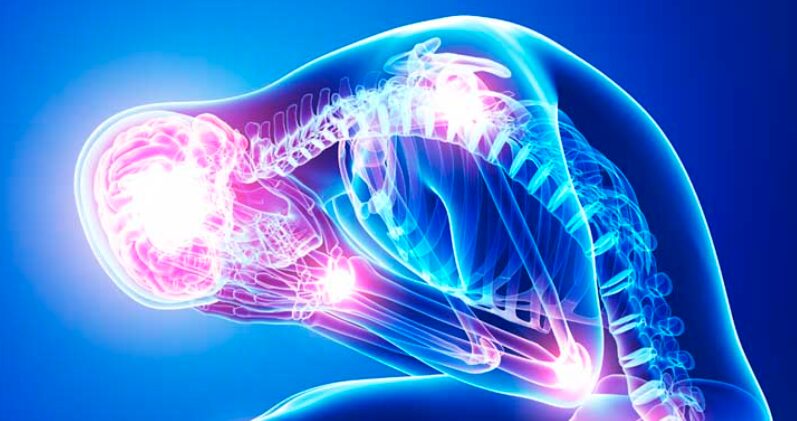
Physical stress does not only affect the mind. It can also influence the heart, immune system, digestive system, muscles, skin, and overall body function. Understanding how stress affects physical health is important because managing stress properly can improve both mental and physical well-being.
What Happens to the Body During Stress?
When a person experiences stress, the body releases hormones such as cortisol and adrenaline. These hormones prepare the body for a “fight or flight” response. Heart rate increases, breathing becomes faster, and muscles tighten. This response can be useful during emergencies, but when stress continues for a long period, the body remains in a constant state of tension.
Long-term exposure to stress hormones can weaken body systems and increase the risk of various health problems. The body may struggle to recover properly, leading to fatigue and illness over time.
Stress and Heart Health
One of the biggest effects of stress is on the cardiovascular system. Stress can raise blood pressure and increase the heart rate. Chronic stress may also contribute to inflammation in blood vessels, which can increase the risk of heart disease and stroke.
People under stress are also more likely to develop unhealthy habits such as smoking, overeating, or lack of exercise. These habits further increase the chances of heart-related problems. Chest pain, rapid heartbeat, and high blood pressure are common physical signs linked to stress.
Effects of Stress on the Immune System
Stress can weaken the immune system and make it harder for the body to fight infections. People experiencing long-term stress often become sick more frequently because their immune defenses are reduced.
The body may take longer to recover from illnesses, injuries, or surgeries. Stress can also increase inflammation, which is connected to many chronic diseases. Frequent colds, fatigue, and low energy levels are common signs that stress may be affecting immunity.
Digestive Problems Caused by Stress
The digestive system is highly sensitive to stress. Stress can affect how food moves through the digestive tract and may lead to stomach discomfort, bloating, constipation, or diarrhea.
Some people experience nausea or stomach pain during stressful situations. Stress may also worsen digestive disorders such as acid reflux and irritable bowel syndrome. Emotional eating and unhealthy food choices caused by stress can further damage digestive health.
Stress and Muscle Tension
Stress often causes muscles to tighten automatically. This tension usually affects the neck, shoulders, and back. Over time, constant muscle tension may lead to pain, stiffness, and headaches.
People dealing with chronic stress commonly suffer from tension headaches and migraines. Muscle pain caused by stress can also interfere with sleep and daily activities, reducing overall quality of life.
How Stress Affects Sleep
Stress is one of the leading causes of sleep problems. Worrying thoughts and anxiety can make it difficult to fall asleep or stay asleep during the night. Poor sleep can then increase stress levels, creating a harmful cycle.
Lack of sleep affects concentration, energy, mood, and physical recovery. Over time, sleep deprivation can contribute to serious health issues such as obesity, diabetes, and weakened immunity.
Impact of Stress on Weight and Appetite
Stress affects eating habits in different ways. Some people lose their appetite during stressful periods, while others overeat for comfort. High stress levels may increase cravings for sugary and unhealthy foods.
Long-term stress can also affect metabolism and hormone balance, making weight gain more likely. Emotional eating caused by stress can increase the risk of obesity and related health conditions.
Skin Problems Linked to Stress
Stress can also appear on the skin. Conditions such as acne, eczema, psoriasis, and rashes may become worse during stressful times. Stress-related inflammation can make the skin more sensitive and harder to heal.
Some people may notice increased sweating, hair loss, or dull skin due to long-term stress. Proper stress management often helps improve skin health naturally.
Stress and Respiratory Health
Stress can affect breathing patterns and make respiratory problems worse. Rapid breathing or shortness of breath are common stress responses. People with asthma or lung conditions may experience stronger symptoms during stressful situations.
Panic attacks caused by intense stress can also create chest tightness and breathing difficulties. Relaxation techniques can help improve breathing and reduce physical discomfort.
Long-Term Health Risks of Chronic Stress
Chronic stress can contribute to many serious health conditions if left unmanaged. These may include:
- High blood pressure
- Heart disease
- Diabetes
- Obesity
- Depression
- Anxiety disorders
- Digestive disorders
- Sleep disorders
The longer stress continues, the greater the impact on the body. Recognizing stress early and taking steps to manage it is important for long-term health.
Ways to Reduce Stress Naturally
Managing stress can improve both physical and mental health. Healthy lifestyle habits play an important role in reducing stress levels naturally.
Some effective ways to manage stress include:
- Exercising regularly
- Getting enough sleep
- Eating a balanced diet
- Practicing meditation or deep breathing
- Spending time with family and friends
- Taking breaks from work and screens
- Engaging in hobbies and relaxing activities
Simple daily changes can help the body recover from stress and improve overall wellness.
Importance of Seeking Professional Help
Sometimes stress becomes too difficult to manage alone. If stress is causing severe physical symptoms or affecting daily life, professional support may be necessary. Doctors, therapists, and mental health professionals can provide guidance and treatment options.
Seeking help early can prevent stress from causing more serious health problems in the future.
Conclusion
Stress affects physical health in many ways, including the heart, immune system, muscles, digestion, sleep, and skin. While short-term stress is a normal part of life, chronic stress can lead to serious health complications if ignored. Understanding the physical effects of stress helps people recognize warning signs and take action before problems become severe. By practicing healthy habits, managing emotions, and seeking support when needed, it is possible to reduce stress and protect overall health and well-being.