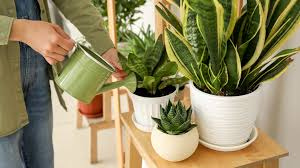
Indoor plants have become a popular addition to modern homes, offering more than just aesthetic appeal. The right plant selection can contribute to a more comfortable living environment, help regulate humidity levels, and create a stronger connection between indoor spaces and nature. While plants are often chosen for their appearance, understanding how different species interact with the indoor environment can help homeowners make better decisions when designing healthier and more enjoyable living spaces.
The Relationship Between Plants and Indoor Environments
Homes today are designed to be energy efficient, which often means they are more tightly sealed than older buildings. While this helps reduce energy consumption, it can also limit natural airflow. As a result, homeowners frequently look for ways to create fresher, more comfortable indoor environments.
Plants naturally release moisture through a process known as transpiration. During this process, water absorbed by the roots travels through the plant and is released into the air through tiny openings in the leaves. This can help improve indoor humidity levels, particularly during dry seasons when heating systems may reduce moisture in the air.
A balanced indoor environment contributes to overall comfort, making plant selection an important consideration for homeowners interested in creating welcoming living spaces.
Choosing Plants for Different Areas of the Home
Not all plants perform equally in every room. Factors such as natural light, temperature, humidity, and available space should influence plant selection.
Living Rooms
Living rooms often receive moderate to bright indirect light, making them ideal for larger statement plants. Popular options include fiddle leaf figs, rubber plants, and the increasingly sought-after Monstera deliciosa Ottawa homeowners often choose for contemporary interior designs.
Monstera plants are valued for their distinctive split leaves and adaptability to indoor conditions. When placed in well-lit areas away from direct sunlight, they can thrive while adding a natural focal point to the room.
Bedrooms
Bedrooms generally benefit from plants that require minimal maintenance and tolerate lower light conditions. Snake plants and pothos are frequently chosen because they are resilient and suitable for a variety of indoor environments.
Adding greenery to sleeping areas can help create a calming atmosphere that enhances overall comfort and relaxation.
Kitchens
Kitchens often experience fluctuating temperatures and humidity levels. Herbs, spider plants, and smaller tropical plants can perform well in these conditions, particularly when placed near windows that provide adequate light.
Home Offices
As remote work continues to be common, homeowners are increasingly incorporating plants into office spaces. Compact plants that require minimal care can help soften work environments and create a more inviting atmosphere throughout the day.
Understanding Light Requirements
One of the most important factors influencing plant health is light exposure. Selecting plants without considering available light can lead to poor growth and maintenance challenges.
Plants are generally categorized into three groups:
- Low-light plants
- Medium-light plants
- Bright indirect light plants
Before purchasing new plants, homeowners should evaluate the lighting conditions in each room. South-facing windows typically provide the strongest light, while north-facing windows often offer lower light levels.
Many reputable suppliers and a quality garden centre Ottawa homeowners trust can help identify plant varieties that match specific lighting conditions.
Humidity and Home Comfort
Humidity plays a significant role in indoor comfort. Air that is too dry may contribute to discomfort, especially during winter months when heating systems are in constant use.
Tropical plants naturally release moisture into the air, making them particularly valuable additions to indoor environments. Some commonly selected humidity-friendly plants include:
- Monstera Deliciosa
- Peace Lily
- Areca Palm
- Boston Fern
- Calathea
While plants alone cannot replace mechanical humidification systems, they can contribute to a more balanced indoor atmosphere when used throughout the home.
Plant Size and Space Planning
Selecting plants based on available space is another important consideration.
Large plants can enhance open-concept living areas and create visual separation between spaces. However, oversized plants placed in small rooms may create clutter and make spaces feel crowded.
Smaller plants often work well on shelves, desks, side tables, and windowsills. Combining various sizes can help create a layered and visually appealing interior design.
Homeowners should also consider future growth. A small plant purchased today may eventually require significantly more space as it matures.
Maintenance Considerations
Plant health directly affects appearance and overall enjoyment. Selecting plants that align with the homeowner’s lifestyle can improve long-term success.
Busy homeowners may benefit from low-maintenance options such as:
- Snake Plant
- ZZ Plant
- Pothos
- Rubber Plant
Individuals who enjoy plant care as a hobby may prefer species that require more attention and monitoring.
Matching plant requirements with available time and experience helps ensure plants remain healthy and attractive throughout the year.
Supporting Biophilic Design
Biophilic design is a growing trend in residential architecture and interior design. The concept focuses on strengthening the connection between people and nature through the built environment.
Plants are one of the simplest ways to incorporate biophilic principles into a home. Strategically placed greenery can soften hard surfaces, add visual interest, and create a more natural atmosphere.
Conclusion
The plants chosen for a home can have a meaningful impact on both appearance and comfort. From contributing to humidity balance and creating a fresher atmosphere to enhancing interior design, thoughtfully selected greenery offers a variety of benefits.
By considering factors such as light availability, room size, environmental conditions, and maintenance requirements, homeowners can create indoor spaces that are healthier, more attractive, and more enjoyable to live in. A well-planned selection of plants can transform ordinary rooms into vibrant environments that support comfort and well-being throughout the year.